
Life Skills and Entrepreneurship
Market-facing skills that build family resilience and youth livelihoods.
Skills that help families face stressors and build resilience.
Market facing skills are an important component of HFH Uganda's people centred approach. Skills are intended to build the resilience of families by empowering caregivers and youths within vulnerable families to face stressors.
Coping strategies are developed through life skills training in health, psychosocial support, and succession planning. Health related life skills on management of menstrual hygiene is given to age-appropriate school going girl children.
At household level, the life skills reduce vulnerability to disease infections, and problems associated with succession planning and inheritance rights.
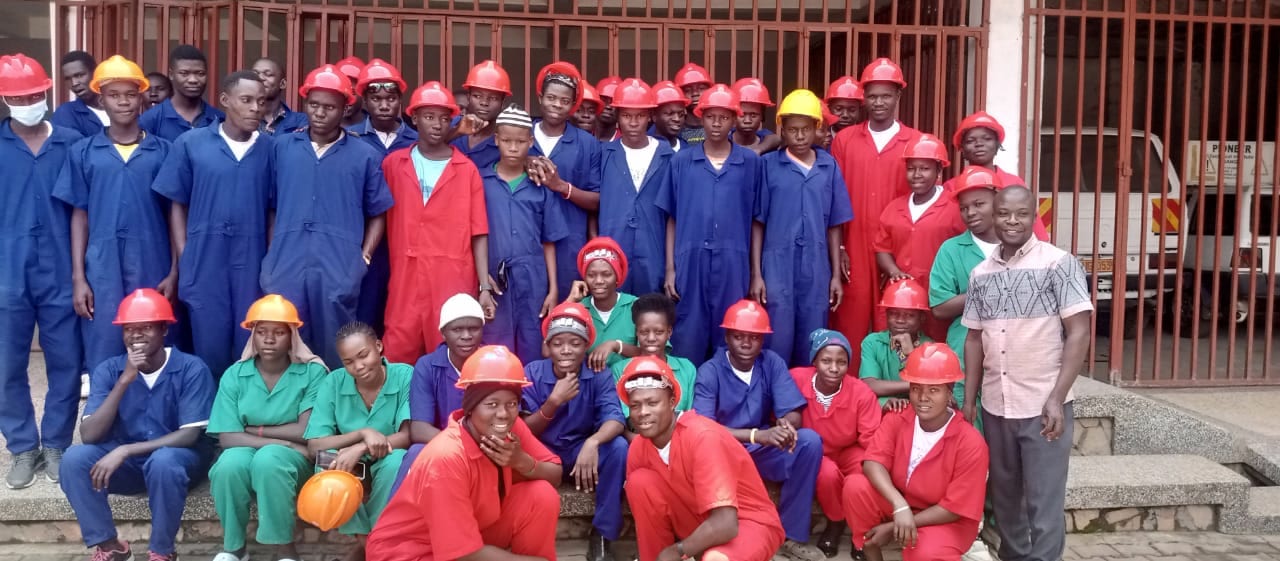
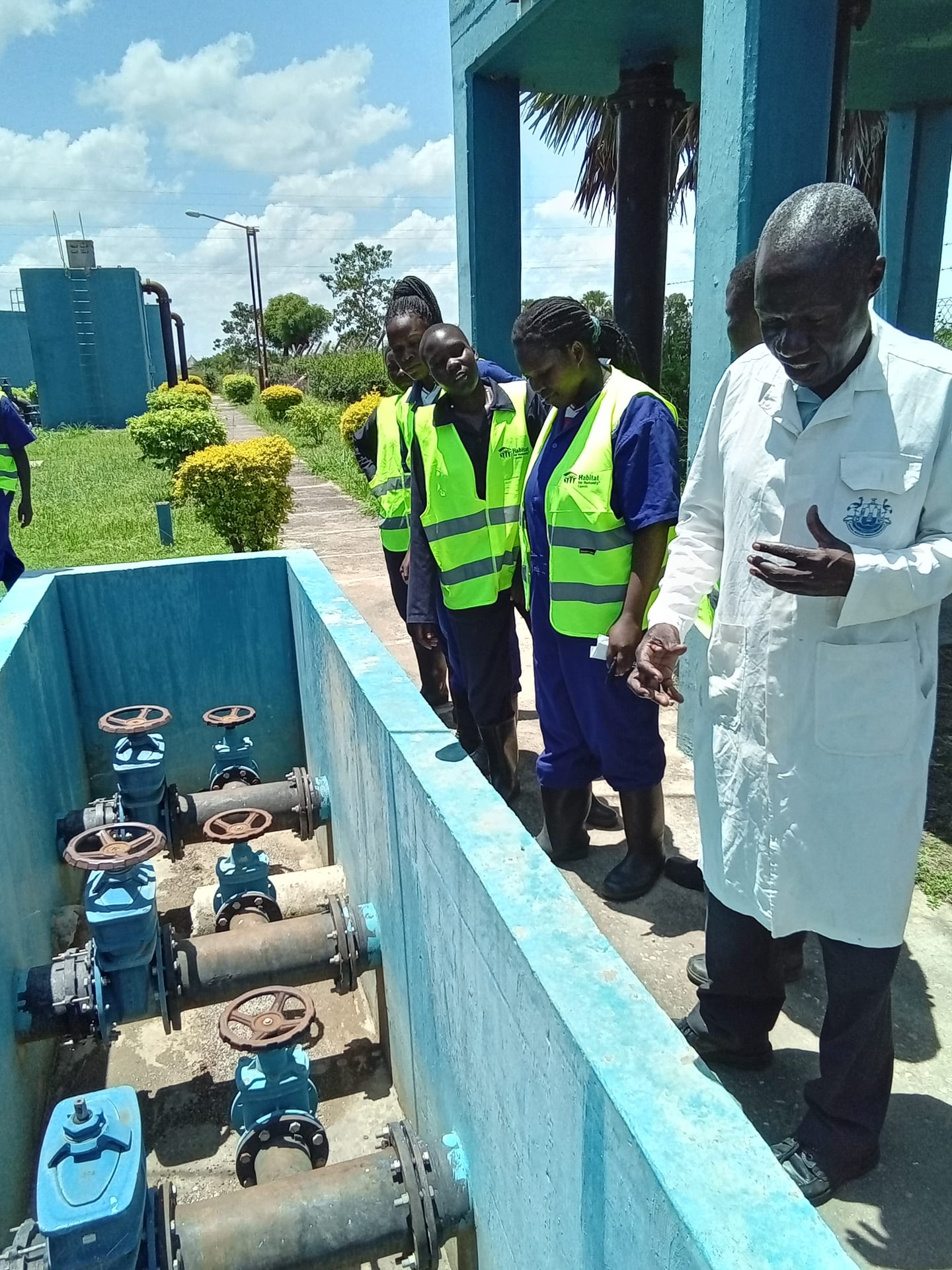
Economic empowerment through practical training.
Life skills
Health, psychosocial support, succession planning, menstrual hygiene management, and resilience-building for vulnerable families.
Market-facing skills
Training in metal fabrication, saloon and beauty care, tailoring, and building.
Entrepreneurship
The Street Business School Model equips women in poverty with practical business skills.
Youth hubs, artisan attachment, and climate-aware skills.
Together with partners, HFH Uganda conducts youth skilling programs for economic empowerment. Currently, HFH Uganda is using the Youth Hub Model that provides several skills opportunities in a single location.
After the six months training, the youths are attached to local experienced artisans to further sharpen their skills.
Youth Hub Model
Several skills opportunities are provided in a single location, followed by attachment to local experienced artisans after six months of training.
Climate-aware construction
Technologies such as Interlocking Stabilized Soil Blocks promote environmentally friendly construction practices.
Partner-led skilling
HFH Uganda works with partners to conduct youth skilling programs for economic empowerment.
Training is translating into employment and income gains.
An HFH Uganda Tracer study in January 2022 showed measurable employment and income outcomes for youth graduates.
68.3%
of youth graduates were employed after the program
35%
were employed in the private sector
31.6%
were self-employed
73%
increase in average weekly income among employed youth
Average weekly income of employed youth increased from UGX 6,599 to UGX 31,370.
Support youth work