Equitable Basic Services
WASH, waste management, and renewable energy solutions that strengthen communities.
Services that support community empowerment and system strengthening.
The provision of equitable basic services such as Water, Sanitation and Hygiene (WASH), urban waste management, and renewable energy housing solutions is central to community empowerment and system strengthening.
For every partner family receiving a house, a 3000-litre water tank and a complete set of water harvesting system is installed. Additionally, an improved ventilated pit latrine and shower stall are constructed.
Water, Sanitation and Hygiene
Urban waste management
Renewable energy housing solutions
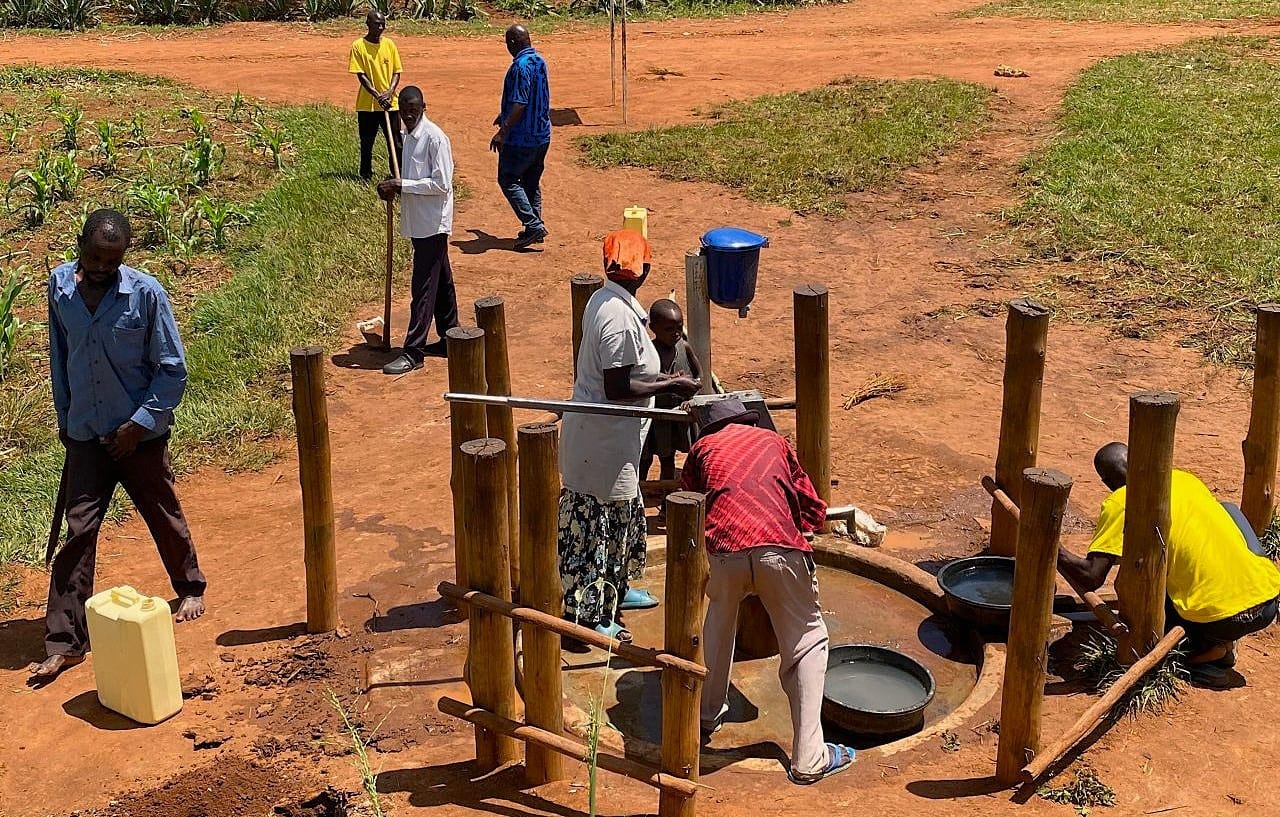
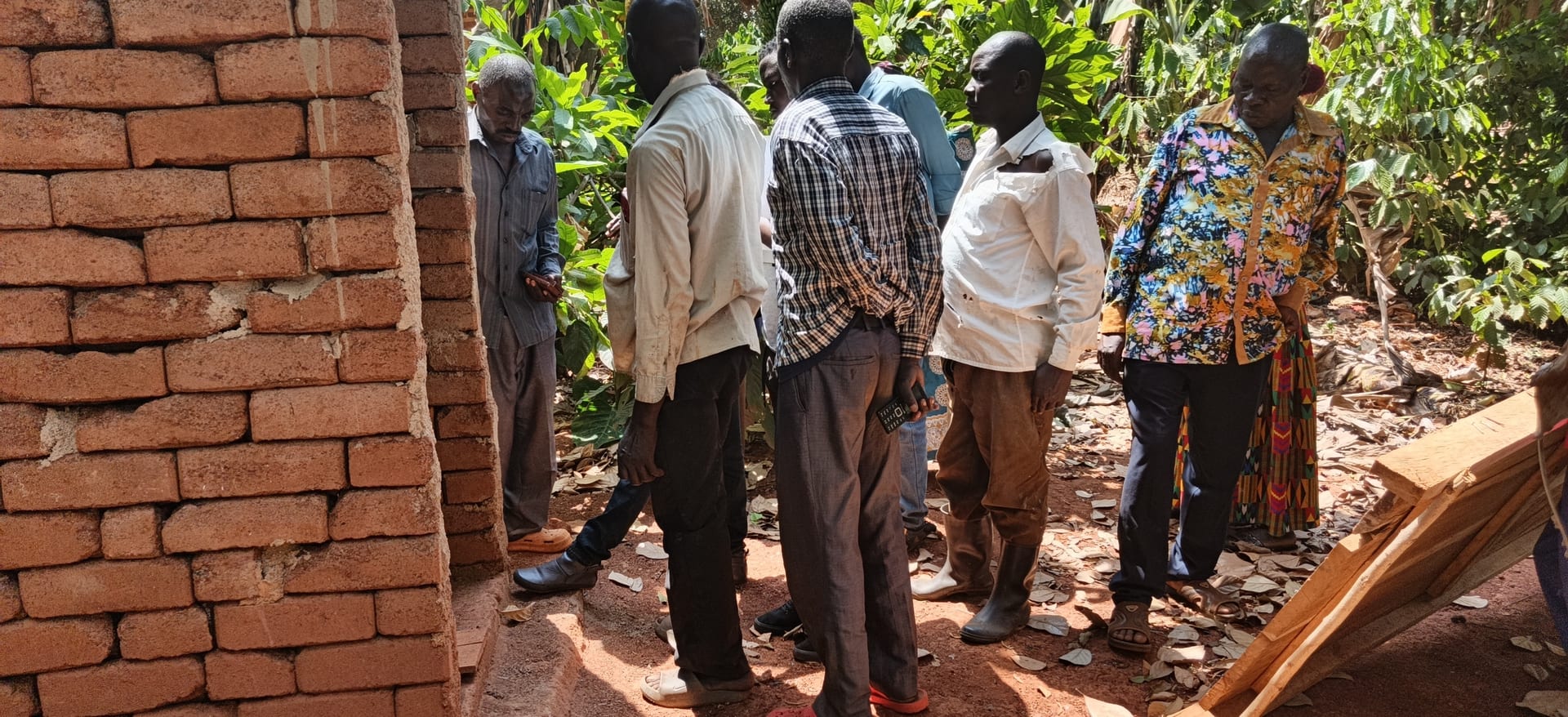
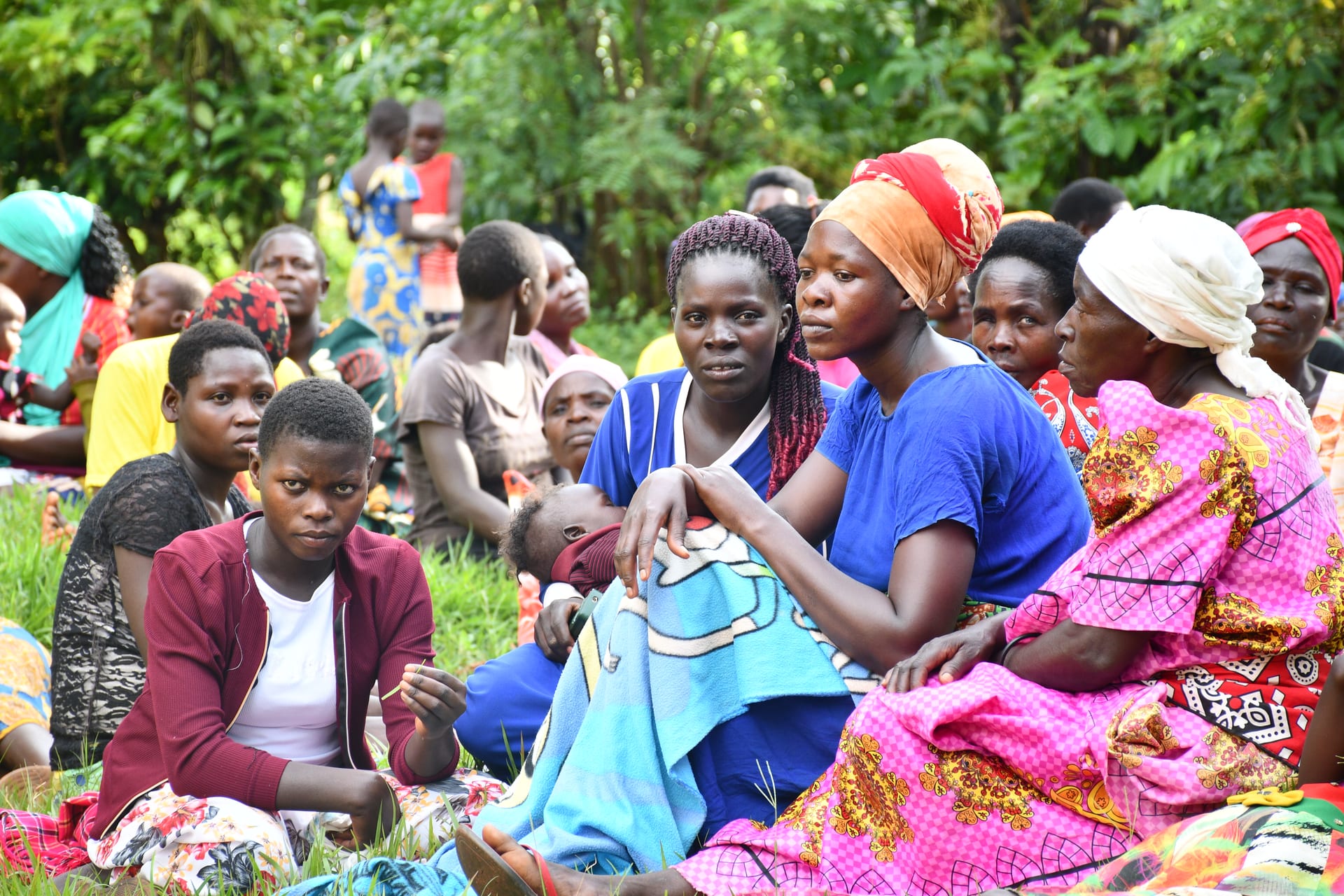
Household facilities, public water points, and mass awareness.
Household WASH
Each partner family receiving a house receives a 3000-litre water tank, water harvesting system, improved ventilated pit latrine, and shower stall.
Community safe points
Communities, schools, and public institutions are supported with boreholes and solar powered pump systems managed by trained water committees.
Awareness and training
HFH Uganda conducts WASH awareness through radio outreaches, posters, documentaries, trainings, and distribution of hygiene facilities.
Hygiene support during COVID-19 and Ebola response.
As part of the COVID-19 and Ebola pandemic response, HFHU distributed health and hygiene facilities such as hand washing cans, liquid soap, hand sanitizers, temperature guns, and personal protective equipment to health facilities, schools, and marketplaces. These were reinforced by mass media messages on hygiene and individual risk avoidance.
Health and hygiene facilities
Support included household, community, school, public institution, health facility, and marketplace hygiene resources.
WASH sensitization is changing knowledge and household practice.
An external evaluation conducted by LIDA Africa in March 2022 reported the following results.
80%
of sensitized people attested that borehole water is safer to drink than other sources
99.6%
of those reached have constructed VIP latrines in their homes
30.4%
of households have handwashing facilities